History of the Enzyme Business
History
From the Discovery of Novel Enzymes to Societal Impact
Explore our history of contributing to society through the development and commercialization of technologies rooted in fundamental research on microorganisms and enzymes, spanning pharmaceuticals, food applications, and clinical diagnostics.
-
Discovery of Molsin: A Breakthrough That Challenged Conventional Wisdom
We discovered Molsin, an acid-resistant proteolytic enzyme that aids digestion in the human stomach. At the time, digestive enzymes were predominantly imported products extracted from animal organs. The Kikkoman Group advanced research and development of koji mold and overturned the conventional belief that proteolytic enzymes could not be secreted by koji mold, discovering that Molsin could be secreted under specific cultivation conditions. This achievement was a groundbreaking discovery that led to the subsequent development of microbial-derived enzymes and was recognized with the Prime Minister's Award for Invention.
1955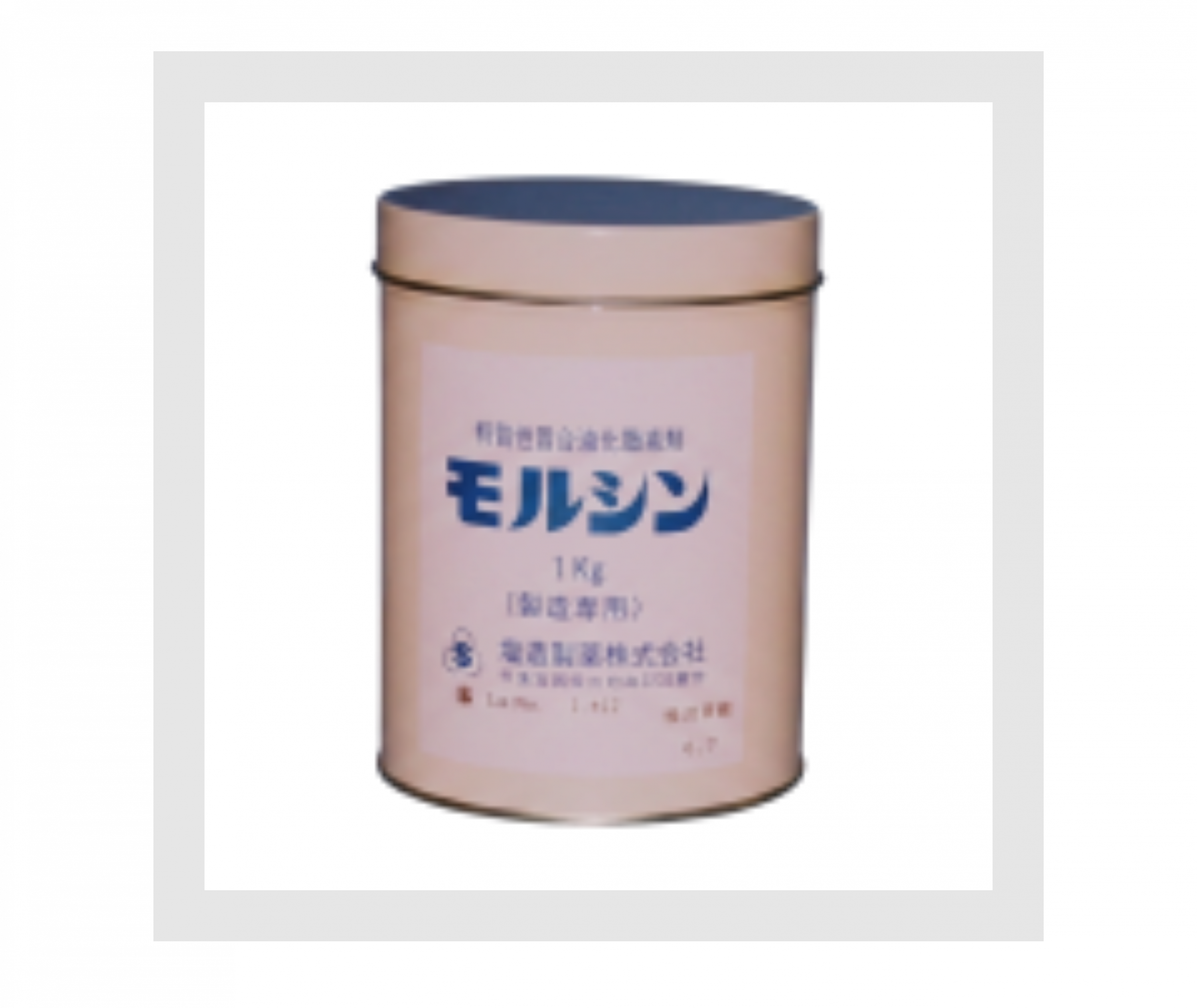
-
Establishment of Seishin Pharmaceutical Co., Ltd.
To commercialize Molsin, Seishin Pharmaceutical Co., Ltd. was established, and the Nagareyama Plant was constructed as a dedicated enzyme production facility. In 1962, production of Stalase, an acid-resistant amylolytic enzyme, also began. These developments laid the foundation for Kikkoman’s enzyme business.
1961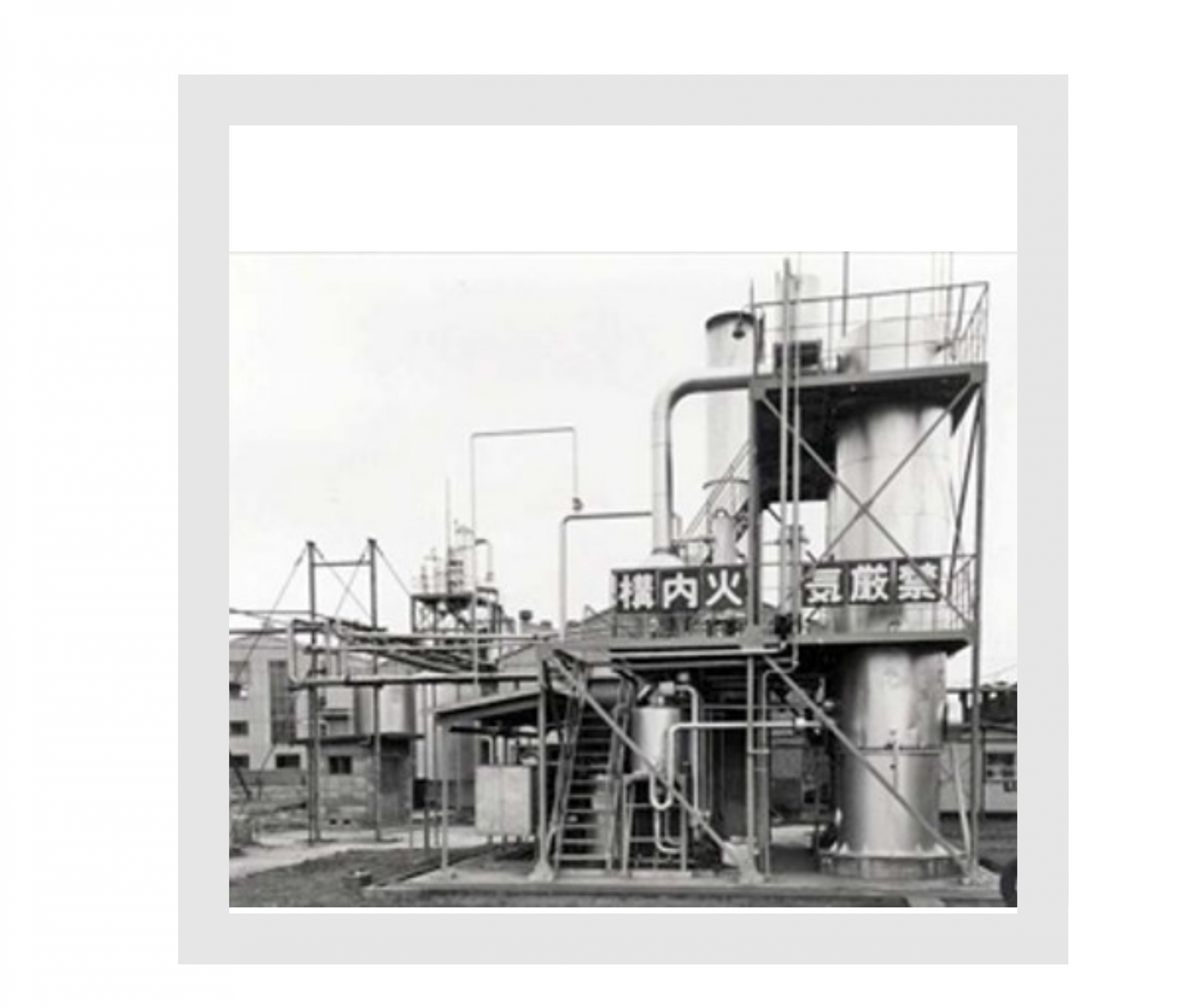
-
Discovery of Sarcosine Oxidase
Researchers at Kikkoman were the first in the world to report sarcosine oxidase. This discovery enabled the development of highly sensitive enzymatic methods for measuring creatinine and continues to play an important role in clinical diagnostic reagents today.
 1979
1979
-
Expansion of Enzyme Manufacturing Facilities
To strengthen production capabilities, a new enzyme manufacturing facility was added to the Research and Development Division’s attached plant, which had been completed in 1986 (now the Edogawa Plant of Kikkoman Biochemifa Company).
1987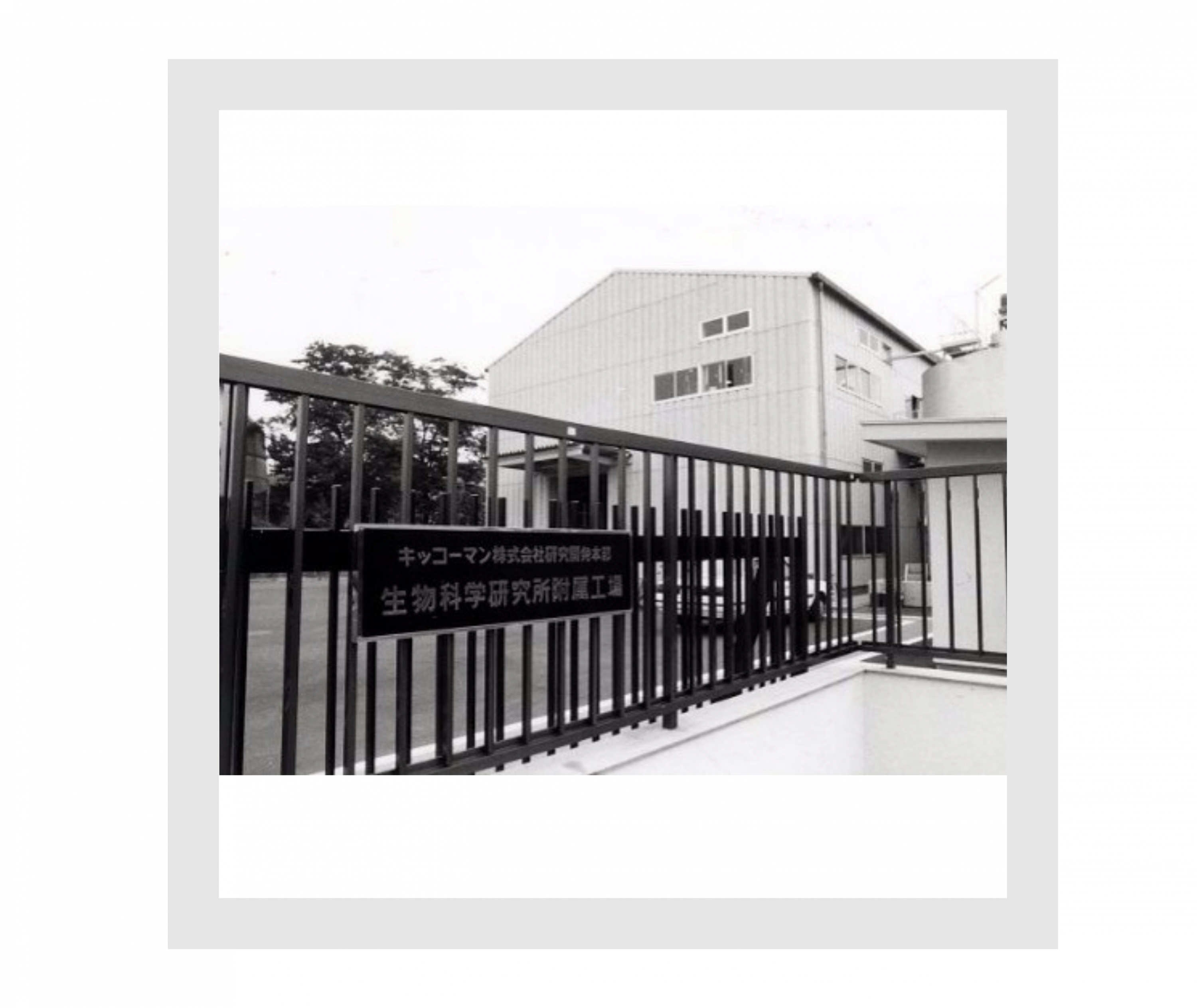
-
Expansion into Food Processing Enzymes
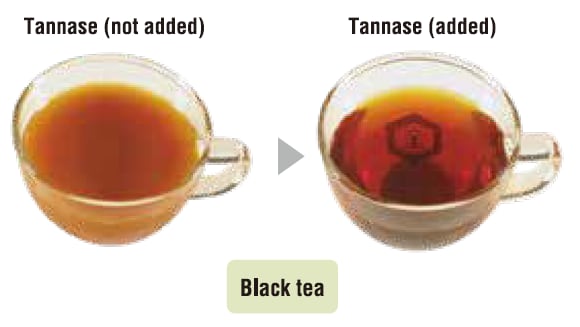
Kikkoman began manufacturing and marketing tannase, an enzyme used to clarify tea beverages. Produced using Aspergillus oryzae, this enzyme remains part of the company’s product portfolio today. It is certified as both Halal and Kosher.
 1988
1988
-
Expansion into Hygiene Testing Enzymes
Kikkoman established a large-scale production technology for luciferase, an enzyme utilized in bioluminescence-based detection systems, through recombinant DNA technology. Subsequently, the company also established production of pyruvate phosphate dikinase (PPDK), an enzyme essential for ATP cycling. Together, these technologies became the foundation of today’s ATP-based hygiene monitoring systems, including The ATP Test (Kikkoman A3) method.
 1989
1989
-
Proposal of an Enzymatic Method for HbA1c Measurement
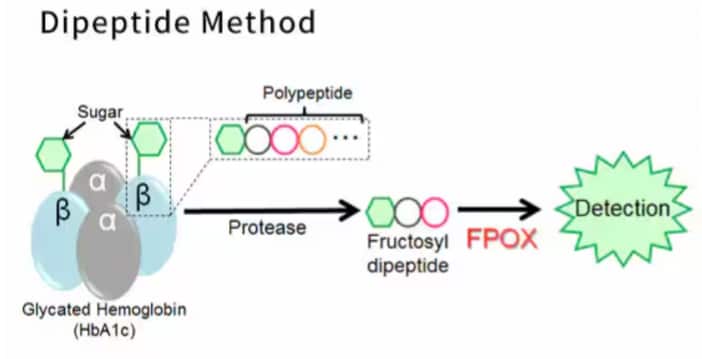
Kikkoman was the first in the world to report an enzymatic method for measuring HbA1c using fructosyl peptide oxidase. In addition to the widely used HPLC and immunoassay methods of the time, this innovation introduced a new analytical principle based on enzymatic measurement and contributed significantly to the advancement of HbA1c testing technologies. Research related to the HbA1c enzymatic assay received the 2013 Technical Award from the Society for Biotechnology, Japan and the 2016 Filamentous Fungal Gene Research Society Technology Award.
 2003
2003

2026
65th Anniversary
of Enzyme Production

Built on more than 50 years of technology and trust,
Kikkoman Biochemifa’s enzymes continue to meet diverse needs across global markets.